Agenics Academy Blog
HEALTHCARE’S TRUSTED RESOURCE FOR WATER EDUCATION
Currently Trending:
Source Water Options: Selecting the Right Water for Your Dental Practice

Dental Waterline Outbreaks: Case Studies, Risks, and How to Protect Your Practice
Dental unit waterlines (DUWLs) have been linked to serious infection-control failures in dentistry, including pediatric outbreaks caused by nontuberculous mycobacteria (NTM). Neglecting waterline maintenance can lead to severe patient harm, regulatory action, and reputational damage. This blog explores real-world case studies, the hidden risks of biofilm formation, and proven protocols for prevention—such as routine waterline treatment, verification testing, and documented remediation. Learn how to protect your practice and ensure compliance with expert guidance from Agenics Labs.
Shocking Best Practices
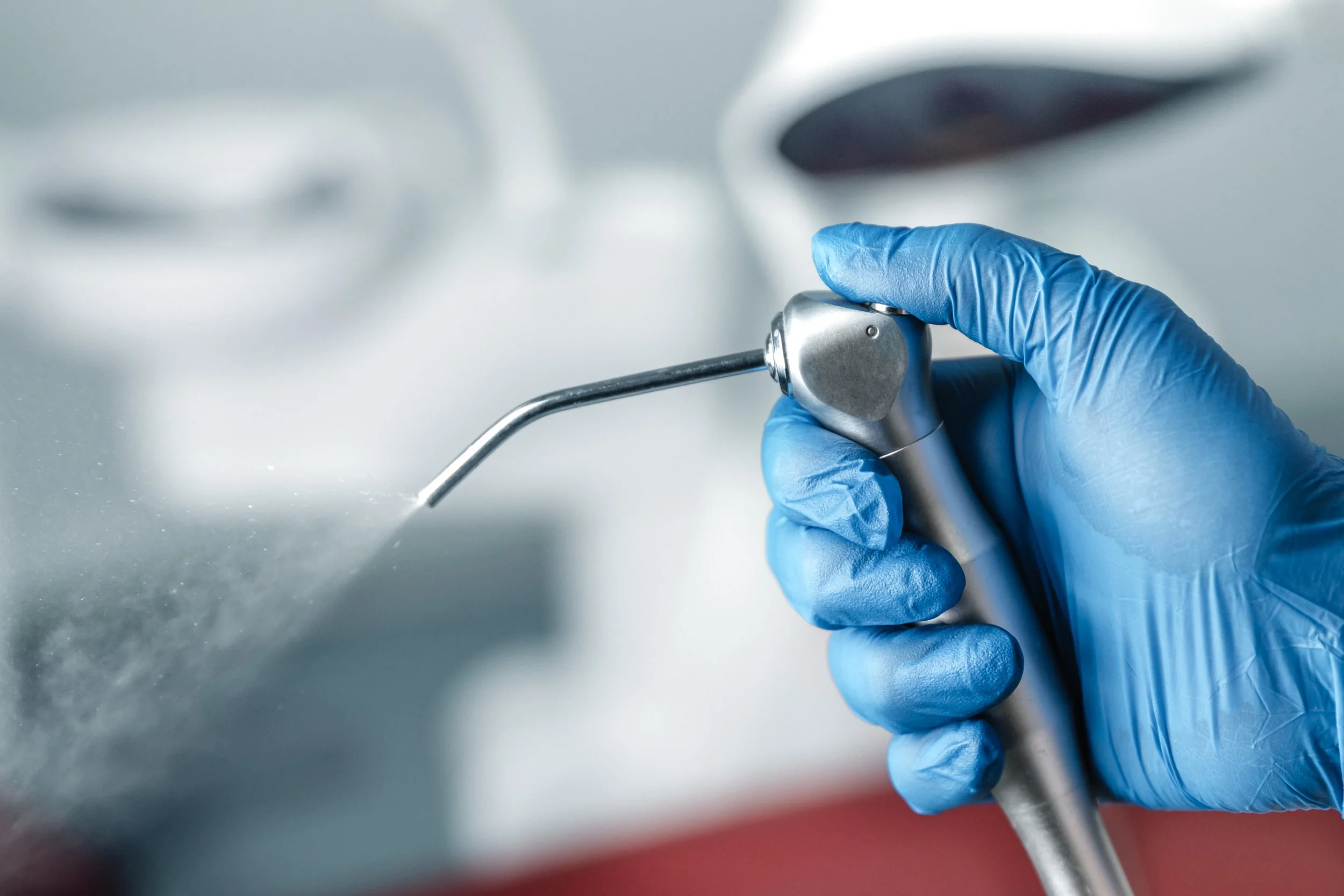
Maintaining safe, compliant dental waterlines requires more than daily tablets or straws—effective biofilm control demands regular “shocking.” In this comprehensive guide from Agenics Labs, dental professionals will learn the science behind shocking dental unit waterlines (DUWLs), when and how to perform it, and why it’s critical for infection control and patient safety. Discover step-by-step procedures, expert recommendations from the CDC and ADA, and practical tips to ensure your waterlines consistently meet EPA standards (≤500 CFU/mL). From understanding EPA product claims to learning how to safely use bleach and other disinfectants, this guide equips dental teams with evidence-based best practices for waterline management. Proper shocking isn’t just compliance—it’s an essential part of patient protection and clinical excellence.

Washington Dental Water Quality - What You Need to Know
Stay compliant with Washington's dental waterline regulations under WAC 246-817-660. Learn testing requirements, infection control policies, and how Agenics Labs helps dental practices meet EPA water quality standards and protect patient safety.

Georgia Dental Water Quality Rule 150-8-.05
Effective July 20th, 2025, dental practices in Georgia are required to test dental unit waterlines quarterly in accordance with Georgia Rule 150-8-.05. This rule builds on the CDC guidelines for dental water quality to meet the EPA limit of 500 CFU/mL. Learn how to comply and find the best test options for your practice.

Georgia Dental Rule FAQ
Here, we’ll provide answers and guidance to the most frequently asked questions in relation to the new law in Georgia regarding dental unit water quality (and DUWL quality in general). The new regulations are effective as of July 20, 2025.

The Impact of Wildfires on Source Water: Critical Considerations for Dental Offices
The recent wildfires in Southern California have been devastating, affecting communities, businesses, and essential resources like drinking water. As dental practitioners work to rebuild and support their patients, it’s important to understand the potential risks to water quality and take proactive steps to ensure a safe and reliable supply for patient care.