
Agenics Academy Blog
HEALTHCARE’S TRUSTED RESOURCE FOR WATER EDUCATION
Currently Trending:
Source Water Options: Selecting the Right Water for Your Dental Practice
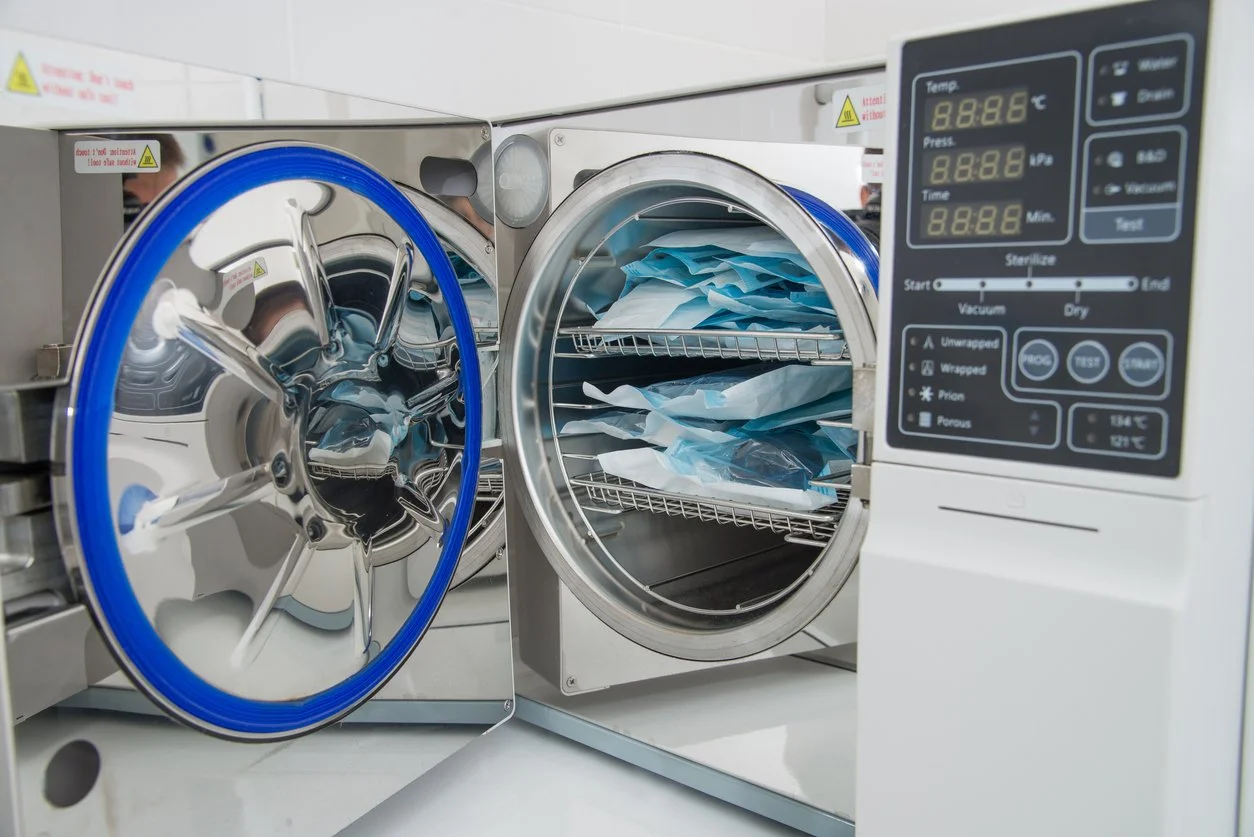
AAMI ST108: Redefining Water Quality Standards in Sterile Processing
Monitoring and maintaining water used in sterile processing helps prevent healthcare-associated infections, meet compliance standards, and build trust with patients and staff. In this blog, we’ll break down what ST108 means for your facility and what is needed to achieve compliance.

The 2025 Comprehensive Guide to Dental Waterline Regulations
Stay ahead of evolving compliance demands in dental care with this definitive guide to waterline regulations. From the Centers for Disease Control and Prevention’s benchmark ≤ 500 CFU/mL standard to state-specific requirements in Georgia and Washington, learn exactly what your practice must do—maintain written protocols, treat and test dental unit waterlines, remediate failures, keep records, and train your team. Protect patient safety, ensure audit readiness, and navigate the regulatory landscape with confidence.

Source Water Options: Selecting the Right Water for Your Dental Practice
Choosing the right source water for your dental practice is critical for infection control, waterline safety, and equipment longevity. Not all water is created equal—distilled, reverse osmosis, purified, tap, and spring water each carry unique benefits and risks that impact treatment product performance and compliance with CDC and ADA guidelines. This guide from Agenics Labs breaks down the best (and worst) water options for dental unit waterlines, explains how CFU, TDS, pH, and alkalinity affect outcomes, and provides actionable recommendations to keep your patients safe and your equipment protected.

The Impact of Wildfires on Source Water: Critical Considerations for Dental Offices
The recent wildfires in Southern California have been devastating, affecting communities, businesses, and essential resources like drinking water. As dental practitioners work to rebuild and support their patients, it’s important to understand the potential risks to water quality and take proactive steps to ensure a safe and reliable supply for patient care.